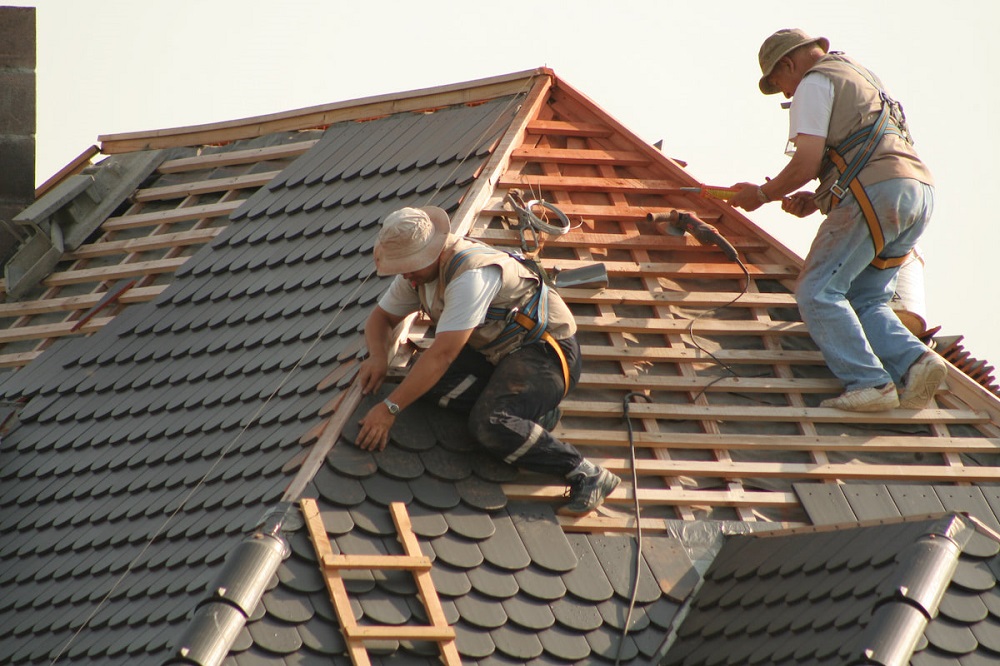
Why Hiring A Pro Is The Only Smart Investment For Your Roof
Key Takeaways
Choosing DIY roof repairs can lead to surprising expenses, like damages from overlooked leaks and mold, which drive up long-term costs. Experts can identify hidden problems such as structural weaknesses that a DIYer might miss.
Many homeowners, like Jack, have learned the hard way that DIY fixes can turn into expensive professional repairs, ultimately wiping out any initial savings. It’s vital to understand your limitations—some tasks simply aren’t meant for DIY enthusiasts.
While hiring pros might seem pricier at first glance, you’re actually paying for their expertise, high-quality materials, and warranties that safeguard your investment. Proper repairs depend on appropriate techniques instead of temporary patches that could lead to more headaches later.
Pursuing quick fixes instead of long-term solutions can worsen roof issues, compromising insulation, ventilation, and drainage, which in turn ramps up repair costs. Regular inspections and vigilance toward warning signs help catch significant problems before they escalate.
Timeliness is crucial with roof maintenance. Delays after severe weather or upon spotting leaks can mean bigger expenses. Being proactive by consulting professionals before issues spiral is a smart choice for your home’s upkeep.
When DIY Turns into a Money Pit: Real Stories
Unexpected Costs of DIY Roof Repairs
We’ve all heard those stories. I recall a neighbor proudly declaring he’d tackle his roof repairs solo. But guess what? His excitement quickly became a money pit. What started as a straightforward fix turned into hidden expenses that left his wallet feeling emptier than ever. Why? Well, there were missing shingles, insidious leaks, and poor choices. The unexpected costs of DIY roof repairs can catch anyone off-guard.
While DIY might seem appealing, those low price tags often skip over the real damage that mishaps can create. Just think about the long-term ramifications when that “quick fix” leads to mold creeping in. That’s definitely not something you want to deal with financially. Sure, you might save money initially, but let’s break down what the future holds.
- Subpar materials: Buying cheap supplies usually means you’ll need to replace them sooner.
- Time spent: What you thought was a weekend project could drag on for months. Do you have that kind of time?
- Liability exposure: If someone gets hurt, who’s on the hook? Spoiler alert: it’s you.
In the end, DIY can quickly transform into a financial burden. Think carefully—it’s not just about your roof; it’s your pocketbook that feels the impact.
Case Study: The Homeowner Who Regretted Going Solo
Let’s focus on Jack. He’s just an ordinary homeowner, like many of us, who figured he’d give it a shot. After all, YouTube is packed with DIY roof repair champions. Filled with confidence, Jack’s plan involved replacing a few shingles and plugging some leaks. What could possibly go wrong?
Fast forward a few months later: water stains started to emerge. In the attic? A mold disaster. Jack went from thinking he merely needed some minor fixes to facing a complete overhaul, complete with a hefty bill. Was saving a few bucks worth it? Nope.
“I thought I could handle it, but it cost me more to fix my mistakes than to hire a pro.”
That’s the truth, folks. DIY isn’t only about ambition; it’s also about recognizing your limits. Knowing when to reach out for help is essential. Not every project is fit for the average Joe.
Why Professional Help Saves Your Roof (and Wallet)
The Hidden Dangers You Might Not See
Let’s cut to the chase: professionals notice things you might overlook. When I teamed up with a roofing crew for the first time, I was shocked by the extensive list of issues they uncovered that were hiding just out of sight. You might look at your roof from below and think it seems fine, but there’s often a whole story up there. Hidden rot, structural weaknesses, and even critters could be lurking just above you.
When it comes to taking preventive action, professionals can spot potential problems before they blow up into significant issues. Sure, you could toss money at a roof repair services bill, but consider it an investment. What are the warning signs that your DIY efforts might not stand the test of time?
- Missing shingles: Not just a cosmetic issue; it’s an invitation for trouble.
- Granules in the gutters? That indicates your asphalt shingles are wearing out.
- Any sagging? You could be flirting with structural failure.
Recognizing these red flags is a must. It’s all about protecting your biggest investment—you can’t afford to ignore the signs.
What You’ll Pay for Professional Expertise
So, how much do professional roof repairs really set you back? Here’s where it gets interesting. You’re not just covering materials; you’re investing in valuable expertise. Those dollar signs might give you pause, but remember what you’re getting in return. Think about scaffolding, safety gear, and that priceless peace of mind. That check you write isn’t just for shingles—it’s for securing a long-lasting solution.
But let’s be real: professional services can hit you with a significant bill. Here’s the usual breakdown:
- Labor: You’re paying for seasoned experience and skill.
- Materials: Quality that holds up over time, not just for the next few seasons.
- Warranty: Often absent with DIY. A reliable warranty can protect your investment.
Feeling overwhelmed by the numbers? They’re nothing compared to the costs of unresolved issues if you decide to go the DIY route.
Common Mistakes That DIYers Make
Patching vs. Proper Repair: Know the Difference
Alright, there’s a huge difference between a patch and a repair. Many homeowners stumble into the DIY trap, thinking a quick piece of tar paper will do the job. Spoiler alert: it won’t cut it. While patching might seem enticing, when you’re dealing with an aging roof that’s sustained damage over the years, that’s akin to putting a Band-Aid on a serious injury.
By disregarding proper protocols, you’re setting yourself up for future expenses. Really think about how many “quick fixes” you want in your life. Will your roof last? Or are you paving the way for future disappointment? Know the stakes involved.
Hire professionals focused on long-term solutions. They’ll ensure your roof becomes a reliable shield against the elements for years ahead, not just a temporary measure.
Ignoring Long-Term Solutions for Quick Fixes
We’ve all been there—you’ve got an issue, and you need it resolved quickly. The urgency is palpable, and you leap at the fastest solution. It’s easy to fall into that trap. But in roofing, that rush can morph into a significant future headache. And trust me, I’ve witnessed it way too often.
Here’s the catch: neglecting to future-proof your roof can lead to extensive damage and seriously drain your wallet later on. Ask yourself— is that “quick fix” really worth the gamble? Can it withstand nature’s extremes?
- Consider insulation: Insufficient insulation can worsen roof problems.
- Check ventilation: Poor airflow can lead to condensation and rot.
- Don’t forget drainage: Proper drainage is crucial for longevity.
Every choice you make regarding roofing matters. Don’t cut corners—your roof deserves thorough work, not quick fixes.
How to Spot a Roof Issue Before It Worsens
Signs Your Roof Needs More Than a Band-Aid
So, how can you stay ahead of potential issues? Keep your eyes peeled. Regular inspections can be invaluable. Stay on top of your roof’s condition. Here are some key indicators that your roof may need more than just a superficial touch-up:
- Water stains on ceilings? That’s a serious red flag.
- Daylight peeking through? Definitely concerning.
- Blistering or peeling paint? Often a sign of moisture being trapped.
Being proactive can prevent unnecessary headaches down the line. Ignoring these signs is a guaranteed way to invite trouble.
Timing: When to Call in the Pros
Finally, let’s chat about timing. This is where it gets super important. Waiting too long can lead to significantly higher costs. Trust me, I’ve felt the sting of postponing repairs before. But remember these timing tips:
- After harsh weather events? Inspect immediately.
- Uncertain about an issue? It’s better to be safe than sorry.
- Noticing persistent leaks or sagging? Call in the pros right away.
Being proactive with inspections minimizes long-term impacts. Don’t play with chance when it comes to your roof. Reach out to the experts and find some peace of mind.
If you’ve been toying with the idea of tackling your roofing problems solo, take a breather. DIY could become a haunting financial burden. Acknowledging the benefits of professional expertise can lead to smarter choices that protect your home’s integrity.
FAQ
What are some major indicators that I should hire a professional for roof repairs?
Look for water stains on ceilings, drafts, or daylight coming through your roof. If you spot any of these signs, don’t just grab a patch kit—reach out to a pro for an assessment.
How do professional roofers identify hidden problems?
With years of experience and trained eyes, professionals know what to look for. They can spot issues like structural weaknesses or rot that might be lurking beneath your shingles.
Is it ever a good idea to attempt roof repairs myself?
Sure, for minor maintenance tasks you might manage, but anything more complex is risky territory. It’s all about recognizing your boundaries; some jobs are better left to experts.
What’s the biggest risk of a DIY roof repair?
Overlooking hidden issues can trigger a chain reaction of problems. A simple leak now might lead to mold later, and trust me, cleanup is way worse than the initial fix. Don’t underestimate the downstream consequences.
How often should I have my roof inspected?
At least once a year, plus after any severe weather. Regular inspections catch issues before they escalate, letting you confront potential problems proactively.
What’s the average cost difference between DIY and professional roof repairs?
While DIY may seem cheaper at first, consider the potential for costly mistakes or material failures later. In the end, professional repairs often save more money due to their durability and superior quality.
Can I get warranties with DIY roof work?
Not unless you create your own! Typically, DIY jobs don’t come with warranties, which means if things go south, you bear the entire cost. That’s not a gamble worth taking.
If I don’t see any issues, should I still get a professional opinion?
Absolutely. Just because nothing’s visibly wrong doesn’t mean you’re in the clear. Regular professional inspections can uncover hidden problems and stave off future disasters. Better to be safe than sorry!
Useful Resources
- International Association of Certified Home Inspectors (InterNACHI)
- National Roofing Contractors Association (NRCA)
- Owens Corning Roofing
- Angie’s List
- HomeAdvisor
- S. Department of Housing and Urban Development (HUD)
- Consumer Reports
- S. Environmental Protection Agency (EPA) – Mold and Health
- Home Improvement Pages