Strategic Advantages Of Forklift Rentals For Atlanta Businesses
Key Takeaways
Forklift rentals in Atlanta boost warehouse efficiency, enabling businesses to adapt equipment to shifting project demands. This minimizes delays and maximizes productivity.
Renting forklifts supports customized fleet management, reducing bottlenecks by supplying specialized equipment for specific loads without the burden of long-term commitments.
Selecting the appropriate forklift is vital for avoiding downtime; various models cater to specific environments, influencing efficiency and operational dynamics.
Typically, renting forklifts incurs lower initial costs than purchasing, affording financial flexibility that helps businesses steer clear of depreciation and unexpected maintenance expenses.
Engaging rental services lifts the responsibility for equipment maintenance and storage costs off the shoulders of companies, thereby allowing them to concentrate resources on initiatives for growth.
In the construction industry, relying on rentals guarantees the availability of essential equipment during different project stages, fostering agility and effectively meeting tight deadlines.
For special events, renting forklifts simplifies logistics for setup and teardown, improving operational speed and organization while drawing on the industry expertise of rental providers.
Maximizing Efficiency with Forklift Rentals in Atlanta
The Crucial Role of Forklift Rentals in Warehouse Operations
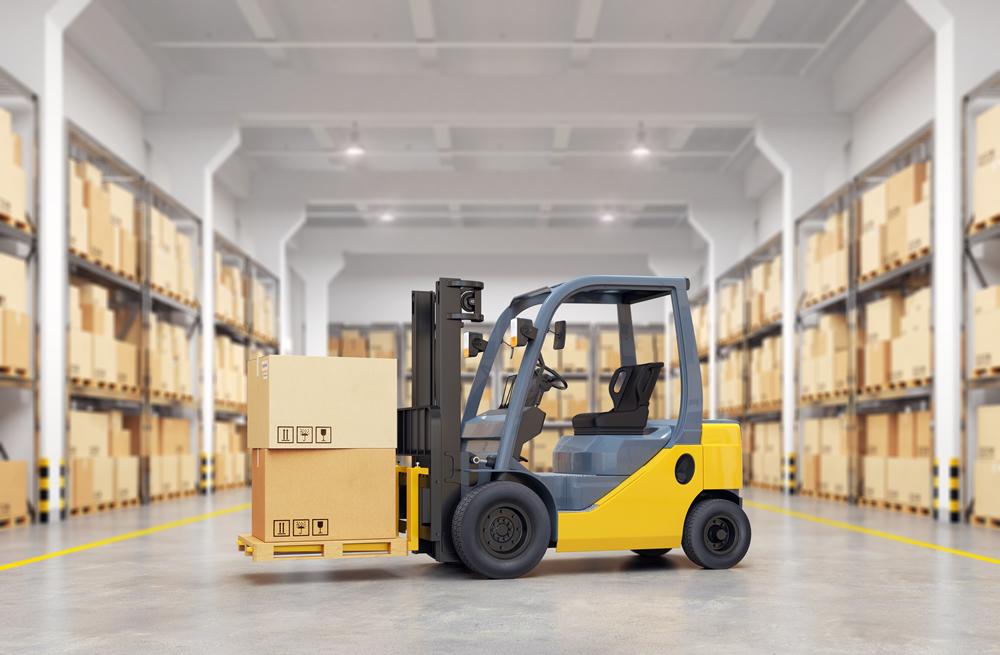
Warehouse operations often rely heavily on the readiness and efficiency of material handling equipment. In a fast-moving environment, having access to a reliable forklift can mean the difference between smooth operations or costly disruptions. Logistics professionals advocate for forklift rentals in Atlanta for precisely this reason. The ability to scale equipment based on project requirements ensures companies stay agile, even when demand unexpectedly spikes. It’s not just possible to boost productivity; with the right approach, it becomes inevitable.
When it comes to storing and moving goods, precision is essential. Rental forklifts allow businesses to customize their fleet based on specific needs, guaranteeing the right equipment is on hand for each task. This strategic method significantly curtails bottlenecks. Picture needing a specialized forklift for a unique load. Rather than sinking resources into a piece of machinery that may sit unused after the project, renting presents an ideal alternative—optimizing both space and financial investments.
Now, consider the implications of a warehouse facing inconsistent demands. Renting provides a safety net. Clients can secure various models with different lifting capabilities quickly. This adaptability enhances operational flow and relieves the stress on warehouse managers who might otherwise find themselves scrambling for solutions during peak times.
How Choosing the Right Equipment Reduces Downtime
There’s often a tendency among clients to overlook the strong link between the right equipment and operational downtime. That downtime can be a productivity barrier, negatively affecting profits and, ultimately, customer satisfaction. Choosing the proper forklift can significantly alter the dynamics of a job. For example, electric forklifts are usually ideal for indoor settings because of their maneuverability and low emissions, while gas-powered models might be essential for outdoor applications. The crucial aspect is ensuring the equipment aligns with its intended environment.
Experts frequently advise conducting a comprehensive needs assessment before making rental decisions. This evaluation should cover load types, weight capacities, and height clearances. Negligence in these areas can trigger unwanted downtime. By collaborating with rental services that understand their specifications, clients gain access to knowledgeable advisors who can suggest the most suitable equipment.
“Selecting the right forklift transforms downtime into uptime.”
However, the process doesn’t end with making a selection. Regular maintenance is critical. Proactive care helps avoid breakdowns while ensuring that the machinery runs near peak efficiency. Many rental services often include maintenance in their rental packages, alleviating any guesswork for clients. This partnership leads to less worry and greater focus on core business operations.
Understanding Cost Benefits of Forklift Rentals
Why Renting Often Beats Buying for Local Businesses
A common question arises: why opt for renting when buying seems like a one-time investment? The reality is that renting often provides more flexibility. Businesses that choose forklift rental in Atlanta generally experience lower initial expenses while sidestepping depreciation. In unpredictable markets, where needs fluctuate significantly, that flexibility is invaluable.
Moreover, maintenance costs can accumulate swiftly with owned equipment. While owning a fleet might initially seem appealing, the expenses tied to unexpected repairs and ongoing services can add up. Rental agreements often encompass maintenance, leading to a hassle-free experience. This transition turns capital expenditures into more manageable operational costs.
- Flexibility: Adjust the fleet as needed.
- Cost Management: No surprise maintenance costs.
- Reduced Downtime: Access top-tier equipment without upkeep demands.
Some may wrongly assume that renting results in higher long-term costs. However, when businesses assess their actual requirements against ownership, they frequently find themselves surprised. For many, the predictability of rental expenses enhances the accuracy of their budgeting, leading to a more stable financial footing.
Exploring Hidden Savings with Maintenance and Storage
Maintenance savings can radically change the outlook for those who strategize their equipment approach. Take a moment to reflect on the various costs tied to maintaining a fleet: insurance, storage, routine maintenance, and repairs. Partnering with a rental provider alleviates that burden. With rentals, the responsibility for upkeep and storage typically resides with the rental company.
Storage should also be addressed. Not every business has sufficient space to store heavy machinery. Rental options provide a solution to this issue. There’s no need to secure a storage area, which frees up more space for inventory. Simply return the forklift when it’s no longer required.
- No Maintenance Costs: Rentals commonly include maintenance and support.
- No Storage Hassles: Forklifts are available and returned as required.
- Budget-Friendly Payment Structures: Simplified financial planning for rentals.
By minimizing both maintenance and storage expenses, it becomes evident that choosing rentals empowers businesses to reallocate funds toward growth initiatives. This focus on high-return projects helps local enterprises stay competitive in an ever-evolving marketplace.
Ideal Applications for Forklift Rentals in Atlanta
Construction Projects: Meeting Tight Deadlines with Agility
Construction is an ever-changing field. Timelines are often stringent. Consequently, reliable equipment is a necessity. Forklifts play a pivotal role in moving materials on-site. By opting to rent, project managers gain the ability to adapt as project phases shift—ensuring that operations remain smooth, without interruptions due to equipment failures or availability issues. Flexibility is paramount in this industry.
Take into account the various stages of a construction project: groundwork, building assembly, and final adjustments. Each phase might call for different equipment criteria. Renting allows companies to select the appropriate models as needed, helping to eliminate inefficiencies typically associated with rigid operations. Project managers argue that having the right tools available at all times can dramatically enhance schedule recovery times and elevate overall productivity.
“Equipment rental is the secret weapon in meeting construction timelines.”
Shifting requirements often characterize construction sites, as project demands evolve. Equipment needs change along with site layout and workflow processes. By employing rental solutions, team leaders can modify their strategies without being bound to a fixed roster of machinery.
Special Events: Optimizing Setup and Teardown Processes
Special events like concerts, exhibitions, and festivals require meticulous logistical management. These gatherings come with their unique challenges, and success hinges on the capability to transport large structures swiftly and safely. Forklift rentals enable handling everything from staging setups to transporting equipment, verifying prompt completion without hiccups.
Event organizers benefit from a suite of specialized equipment tailored for specific tasks. Heavy lifts may be necessary for certain installations, while lighter models could be enough for repositioning items post-event. Rental flexibility changes how setups and teardowns unfold—accelerating processes and enhancing organization.
- Rapid Setup: Streamlined logistics lead to quicker installations.
- Efficient Logistics: Improved transportation capabilities across diverse terrains.
- Expert Counsel: Rental providers often bring extensive experience in event logistics, which clients can leverage for enhanced planning.
Collaboration underpins every special event. Dependence on trustworthy rental services for equipment not only simplifies logistics but also nurtures stronger partnerships. The result? Remarkable events delivered punctually, each time.
Expert Tips for a Smooth Forklift Rental Experience
Preparation Steps: What to Consider Before Renting
Preparation for forklift rental extends beyond merely showing up and selecting a model. It’s a strategic process. First off, businesses should dissect their needs in detail. Understanding parameters like load dimensions, lifting heights, and whether the setting is indoor or outdoor can clarify what’s truly required. Additionally, thinking about how long the rental will be necessary—will it be a short-term gig or a lengthy project?—is crucial.
- Research Needs: Pinpoint load capacity and type.
- Rental Duration: Establish expectations beforehand.
- Environment: Indoor versus outdoor necessities.
Next, verifying that rental companies maintain a strong track record for high-quality, dependable equipment is essential. Reliability matters. Clients should check customer reviews and testimonials; insights from previous users can be invaluable in selecting the right partner.
Questions to Ask Your Rental Service for Best Results
Once a rental provider has been chosen, establishing clear communication is crucial. Clients should feel empowered to ask questions. Important queries might pertain to equipment status, operator availability, and safety protocols. Posing specific questions can yield unexpected insights.
- What is the maintenance history of the equipment?
- Are operators available for hire or does training come included?
- What safety measures are implemented?
Developing a solid relationship with the rental company not only boosts operational effectiveness but paves the way for joint problem-solving throughout projects. By regarding rental partnerships as collaborative ventures, both parties can achieve favorable outcomes.
FAQ
What types of forklifts are available for rent in Atlanta?
Rental services typically present a diverse assortment of forklift types, including electric, gas, diesel, and rough-terrain models. Clients can choose based on specific needs, whether that’s for indoor maneuverability or outdoor resilience, ensuring maximum efficiency for varied applications.
How does forklift rental impact insurance costs for businesses?
Opting for forklift rentals can significantly decrease a company’s insurance expenses. Often, rental agreements cover maintenance and liability, allowing businesses to lower their overall risk profile, which may result in reduced premiums with insurance providers.
Is operator training included with forklift rentals?
Several rental companies offer training options for operators as part of their services. Nevertheless, it’s prudent for clients to specifically inquire about available training to ensure operators align with local safety regulations, maximizing workplace safety.
What is the typical rental duration for forklifts?
Forklift rental periods can vary widely, spanning from just a few hours to months, depending on project needs. Seasonal demands or unique events generally dictate rental lengths, allowing businesses the flexibility to scale as necessary.
How can businesses determine which forklift is right for them?
A thorough needs assessment is paramount. Factors such as load types, weights, and lifting heights need careful evaluation. Seeking advice from rental experts also offers valuable insights, ensuring the right choice aligns with specific operational demands.
What are the advantages of using a local rental service versus a national chain?
Local rental services often provide personalized attention and faster response times, especially crucial in urgent scenarios. Additionally, they typically possess a deeper understanding of regional market demands and challenges, which enhances the quality of service they deliver.
Can forklift rentals be customized for specific tasks or projects?
Certainly. Rental companies frequently offer tailored solutions, ensuring the right equipment fits unique project specifications. Clients can mix and match equipment features to optimize efficiency based on the tasks at hand.
What steps should be taken if a rented forklift needs repairs?
Clients should promptly inform the rental company about any issues or repairs needed. Most rental services provide swift maintenance and support, ensuring that downtime is minimized and that the equipment remains functional throughout the rental term.
Useful Resources
- Occupational Safety and Health Administration (OSHA)– Offers guidelines and regulatory standards for workplace safety, including forklift operations.
- National Forklift Safety Association (NFSA)– Provides resources related to safe forklift operation and training.
- J. Kelly Company– A reputable equipment rental provider that offers educational insights on equipment selection and management.
- Aisle Box– Focuses on logistics and warehouse management, sharing best practices and efficiency strategies.
- Material Handling Industry (MHI)– Shares information on material handling and logistics trends, including updates on forklift technology.
- Construction Industry Institute (CII)– Provides research and resources pertaining to construction efficiency and equipment management.
- Institute of Electrical and Electronics Engineers (IEEE)– Offers insights into technology advancements impacting material handling and equipment management.
- National Safety Council (NSC)– Concentrates on safety training resources, particularly for forklift operators, enhancing workplace safety standards.