Lifting Smarter: How Forklift Rentals Keep Modern Worksites Moving
Walk onto almost any active warehouse, construction zone, or distribution center and you will hear a familiar hum. Pallets glide across concrete, materials rise smoothly into place, and work keeps moving without unnecessary strain. Behind much of this efficiency is a machine most people only notice when it is missing, the forklift.
For many businesses, owning a fleet does not always make sense. Needs change, projects come and go, and equipment requirements vary widely. That reality has made forklift rental an increasingly practical option for companies that want flexibility without sacrificing performance.
Understanding How Forklifts Do the Heavy Lifting
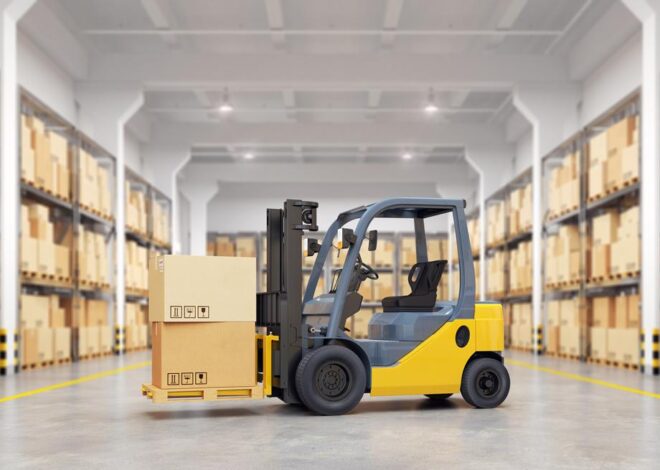
At its core, a forklift is a powered industrial vehicle designed to lift, carry, and place heavy loads with precision. It relies on a balance of hydraulics, reinforced forks, and counterweights to move materials that would otherwise require large teams or specialized rigging.
Hydraulic systems allow operators to raise and lower loads smoothly. The counterweight at the rear offsets the weight being lifted, maintaining stability. Combined with tight steering and responsive controls, forklifts make it possible to move thousands of pounds safely in confined spaces.
These machines are built for control rather than speed. Every design choice prioritizes balance, visibility, and operator safety, which is why selecting the right model matters so much.
Why Renting Often Makes More Sense Than Buying
Ownership sounds appealing until the hidden costs appear. Purchasing a forklift means committing capital, planning for maintenance, managing storage, and accounting for depreciation. For businesses with fluctuating workloads or short term projects, those costs add up quickly.
Renting allows companies to access the right equipment when it is needed and return it when the job is done. There is no long term commitment and no need to guess what future demands might look like. For seasonal operations or one time projects, this flexibility can be the difference between staying on budget and overspending.
Another advantage is access to newer models. Rental fleets are typically updated regularly, giving businesses access to modern safety features, improved efficiency, and equipment that meets current regulations.
Different Forklifts for Different Jobs
Not all forklifts are created equal. Work environments vary dramatically, and choosing the wrong machine can slow productivity or introduce safety risks. Rental options make it easier to match equipment to specific conditions.
Electric Forklifts for Indoor Efficiency
Electric forklifts are a popular choice for indoor operations. They run quietly and produce zero emissions, which makes them ideal for warehouses, manufacturing floors, and retail environments.
Their compact design and smooth handling work well in narrow aisles. Many operators also appreciate the reduced vibration and simpler maintenance associated with electric models. Charging infrastructure is the main consideration, but for many facilities this trade off is well worth it.
Internal Combustion Forklifts for Versatility
Forklifts powered by propane, diesel, or gasoline offer strong performance in a wide range of environments. Propane models often bridge the gap between indoor and outdoor use, while diesel forklifts excel in open spaces and heavy duty applications.
These machines provide higher lift capacities and longer run times, making them suitable for demanding operations that cannot afford downtime.
Rough Terrain Forklifts for Challenging Conditions
Outdoor job sites present unique challenges. Uneven ground, loose soil, and changing weather can make standard forklifts impractical. Rough terrain forklifts are built with large pneumatic tires, reinforced frames, and powerful engines to handle these conditions safely.
They are commonly used in construction, lumber yards, and agricultural settings where stability matters just as much as lifting capacity.
Telehandlers for Reach and Flexibility
Telehandlers, also known as telescopic forklifts, combine lifting power with extended reach. Their adjustable boom allows loads to be placed at height or over obstacles, making them especially useful on construction sites.
With interchangeable attachments, telehandlers can perform tasks beyond basic lifting, adding versatility to complex projects.
How Renting Improves Project Planning
One of the most overlooked benefits of renting is how it simplifies planning. Instead of trying to make one machine do everything, businesses can select equipment based on the exact needs of each phase of work.
A warehouse expansion might require narrow aisle forklifts one month and higher capacity units the next. Renting makes it easy to adjust without overcommitting. This adaptability keeps operations efficient and reduces the risk of bottlenecks caused by mismatched equipment.
Safety Considerations When Renting Forklifts
Forklifts are powerful machines, and safety should always be a priority. Rental providers typically maintain equipment to high standards, but responsibility does not end there.
Operators should be properly trained on the specific model being used. Controls, visibility, and handling can vary between machines. Taking time to review safety features and load limits helps prevent accidents.
Worksites should also assess conditions regularly. Floor quality, lighting, and traffic patterns all affect forklift safety. Renting allows businesses to choose equipment that matches these conditions rather than forcing a one size fits all solution.
Maintenance and Reliability Advantages
Equipment downtime can derail even the best planned projects. One of the major advantages of renting is that maintenance is usually handled by the rental provider.
If a machine develops an issue, it can often be repaired or replaced quickly. This support reduces the burden on internal teams and minimizes disruptions. Businesses can focus on operations instead of troubleshooting mechanical problems.
Regular maintenance also means rental equipment is more likely to perform consistently. Knowing that machines are inspected and serviced gives operators confidence and keeps productivity steady.
Cost Control and Budget Predictability
Renting turns a large capital expense into a predictable operating cost. Instead of tying up funds in equipment purchases, businesses can allocate resources more strategically.
Rental rates are typically transparent, making it easier to forecast expenses. There are fewer surprises compared to ownership, where unexpected repairs or depreciation can strain budgets.
For growing businesses, this financial flexibility can support expansion without increasing long term liabilities.
Environmental and Sustainability Considerations
Sustainability is becoming a priority for many organizations. Renting supports this goal by reducing the need for every business to own and maintain its own fleet.
Shared equipment means fewer machines overall, which lowers manufacturing demand and resource use. Access to newer models also improves efficiency and reduces emissions, especially when electric forklifts are used indoors.
For companies working toward sustainability targets, equipment rental can align operational needs with environmental responsibility.
Choosing the Right Rental Partner
Not all rental providers offer the same level of service. A good partner does more than deliver equipment. They help assess job requirements, recommend suitable models, and provide support throughout the rental period.
Clear communication is key. Businesses should discuss load capacities, operating environments, and project timelines upfront. This ensures the equipment delivered is a good fit from day one.
Reliable support, responsive service, and transparent pricing all contribute to a successful rental experience.
Common Situations Where Renting Makes Sense
Certain scenarios make renting an obvious choice. Short term projects, seasonal demand spikes, and temporary facility expansions often benefit from rental solutions.
Even businesses that own forklifts may rent additional units during busy periods. This avoids overloading existing equipment and keeps operations running smoothly.
For startups and smaller companies, renting provides access to professional grade equipment without large upfront investments.
Looking Ahead at Material Handling Trends
As industries evolve, so does material handling equipment. Automation, improved safety technology, and energy efficient designs are shaping the future of forklifts.
Rental fleets often adopt these innovations quickly, giving renters early access to advancements without the risk of owning outdated equipment. This keeps businesses competitive and adaptable in changing markets.
The demand for flexible solutions continues to grow, and forklift rental is well positioned to meet it.
Making Smarter Choices on the Jobsite
Forklifts may not grab headlines, but they play a critical role in keeping projects on track. Choosing how to access that power matters. Renting offers flexibility, cost control, and access to the right equipment for each task.
When businesses match machines to their needs instead of forcing compromises, productivity improves and risks decrease. For many operations, forklift rental has become less of a convenience and more of a strategic decision that supports long term success.