
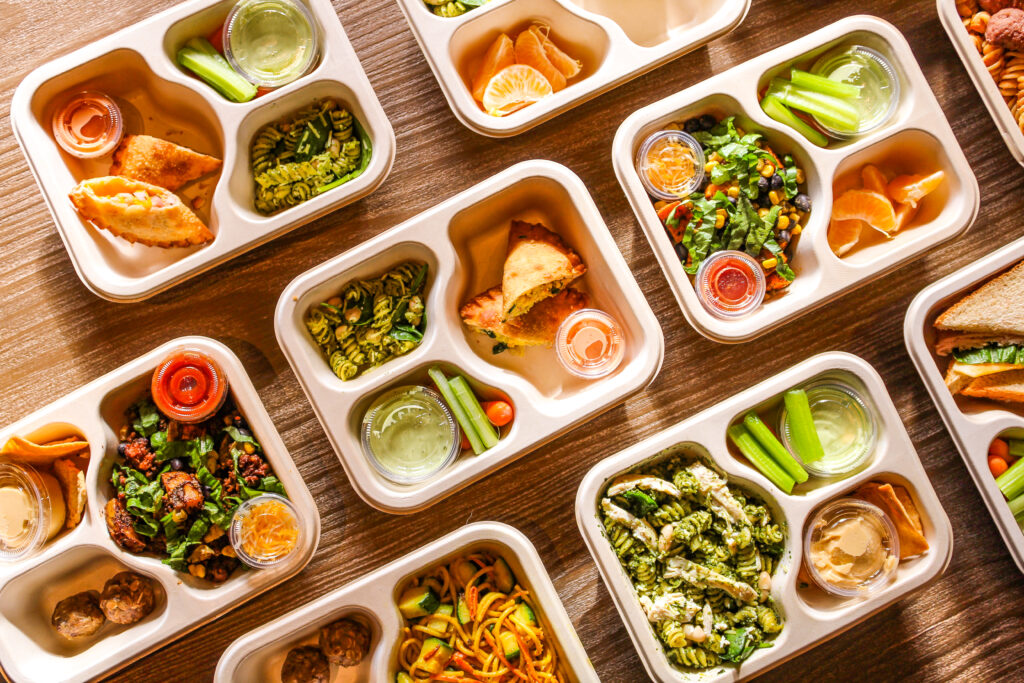
Convenient And Healthy Options: Explore The Benefits Of A School Lunch Delivery Service
Understanding the Rise of School Lunch Delivery Services
What Sparked the Trend? A Deep Dive into Modern Parenting Needs
In recent years, the world has observed a profound transformation in how parents approach their children’s nutrition and daily routines. The advent of the school lunch delivery service is a compelling response to the fast-paced lifestyles of modern families. Today’s parents are often navigating a complex web of responsibilities that includes work commitments, extracurricular activities, and the management of household duties, leaving little time for meal preparation. As such, services that alleviate the stress of providing healthy meals are swiftly gaining traction. The trend can partly be attributed to a significant shift in parental priorities: health, quality of ingredients, and the overall well-being of their children have become focal points. This demand mirrors a broader cultural shift toward convenience—where quick, accessible solutions that do not compromise on nutritional standards are sought after. Moreover, with the rise of information availability regarding the importance of healthy eating, parents are more discerning than ever, scrutinizing not only what goes into their child’s lunchbox but also how these meals affect their growth, learning capabilities, and immunity. This intricate interplay between convenience, health needs, and modern parenting reflects a sophisticated understanding of nutrition that underscores the emergence of delivery services.
The Role of Convenience: How Busy Families are Shaping Lunch Choices
Convenience is a major catalyst in the growing popularity of school lunch delivery services. Today’s families are busier than ever, balancing work obligations, after-school activities, and weekend events, which leaves precious little time for meal planning and preparation. For many parents, the traditional approach of packing a lunch requires not only physical time but also mental bandwidth—planning what to pack, ensuring variety, and sourcing ingredients that meet both nutritional guidelines and a child’s preferences. In this context, lunch delivery services provide a streamlined solution. Catering specifically to the needs of busy families, these services allow parents to pre-select meals that comply with their children’s taste preferences and nutritional needs, ensuring consistency and simplicity. Consequently, families are empowered to focus on quality family time, guilt-free, without having to compromise on their children’s nutritional needs. Furthermore, the redeeming aspect of using a lunch delivery service extends to fostering engagement with children around meal choices, prompting discussions about healthy eating, which might not occur if meals were hastily prepared and packed.
Health-Conscious Demand: Parents Prioritizing Nutrition in School Meals
As societies evolve, so do understandings of nutrition’s role in childhood development. Parents today are increasingly aware of how dietary choices directly correlate to various aspects of their children’s health, including cognitive function, physical growth, and emotional stability. The rise of health-consciousness reflects a societal shift fueled by momentous studies linking diet to children’s academic performance and overall well-being. Consequently, parents are gravitating towards school lunch delivery services that source quality, fresh, and organic ingredients designed for optimal nutrition. These services are not limited to simply replacing traditional meal preparation; they actively promote awareness regarding wholesome eating habits. Transparency in sourcing, cooking methods, and ingredient quality draw parents towards these services, as they are keen on understanding exactly what their child is consuming. This increased demand for health-conscious options in schools is formidable, compelling many delivery services to focus intently on creating meals that are not only appealing but also inclusive of vital nutrients, thus responding to modern familial needs.
Benefits of Fresh and Nutritious Lunch Options
The Impact of Balanced Nutrition on Academic Performance
Balanced nutrition is pivotal to academic success—a fact substantiated by a wealth of scientific research. Diet plays a crucial role in enhancing cognitive function, memory retention, and overall mental agility, all vital components of a conducive learning environment. Meals rich in whole grains, healthy fats, lean proteins, and essential vitamins are synonymous with heightened concentration levels and improved information processing among students. School lunch delivery services provide a unique advantage in this regard by prioritizing nutrition in their menus. With meals often designed by nutritionists, children receive perfectly portioned meals that are tailored not only to be enjoyable but also nutritionally complete. These meals help sustain energy levels throughout the school day, which aligns with the natural rhythms of learning and participation in class activities. Furthermore, when children experience higher levels of nutrition, it positively influences their behavior, effectively reducing stress and enhancing mood, thus creating a more peaceful and engaged classroom atmosphere. Empowering children with the proper nutrition can lead to long-term academic success, illustrating that lunch services do not merely function on a superficial level—they lay the foundation for lifelong learning and achievement.
Building Healthy Eating Habits Early: The Lifelong Benefits
Establishing healthy eating habits during childhood is crucial for optimizing long-term health outcomes. The formative years present a prime opportunity for children to develop a palate for nutritious foods—one that can serve them well into adulthood. School lunch delivery services often provide an avenue for children to explore a diverse range of meals that incorporate fruits, vegetables, and whole grains in innovative ways, which can foster a lifelong appreciation for healthy eating. Engaging children in these nutritious offerings can demystify healthy food choices, emphasizing their importance through enjoyable and tasty presentations. When children consistently consume a variety of healthy foods, they are more likely to internalize these habits, making it easier for them to make informed dietary choices later in life. Furthermore, early exposure to balanced meals can mitigate the development of diet-related chronic conditions, such as obesity and diabetes. The impact of these early experiences extends beyond mere nutrition; they encourage a culture of wellness within families, shifting attitudes around food towards an inclusive understanding that values health without sacrificing flavor or enjoyment.
Why Kids Love Them: Tasty Meals that Reignite Interest in Food
One of the significant challenges parents face when trying to implement healthy eating habits is the perception that nutritious meals are boring or unappealing. Fortunately, school lunch delivery services have recognized this challenge and have thus incorporated creativity into their meal designs, curating menus that delight the taste buds of children. By leveraging various cooking techniques and flavor profiles, these services make it possible for parents to provide their children with delicious meals that do not compromise on health. Engaging components like colorful presentation, interactive meal aspects (like build-your-own tacos or personalized pita pockets), and familiar flavors are pivotal in enticing children to try new foods. This culinary approach rekindles interest in foods that might typically be viewed as undesirable, opening avenues for discovery and a broader acceptance of diverse food groups. Ultimately, the success of these delivery services rests as much on their capacity to make nutritional eating enjoyable for kids as it does on the quality of ingredients used. In engaging children in an exciting gastronomic experience, they not only stimulate interest in foods but nurture a wholesome relationship with eating that can last a lifetime.
Navigating Dietary Restrictions and Preferences
Accommodating Allergies: Ensuring Safety Without Compromising Flavor
In an era marked by heightened awareness of food allergies and intolerances, the ability of school lunch delivery services to accommodate these concerns has emerged as a critical consideration for families. According to studies, it is estimated that around 8% of children have food allergies, significantly shaping meal preparation approaches. Many services now recognize this need by offering meals tailored specifically for allergy management, crafting options that mold dietary restrictions without sacrificing flavor or variety. Each meal can be designed to exclude common allergens, such as nuts, gluten, and dairy, while still presenting favorable nutrient profiles. Moreover, reputable delivery services provide clear labeling and information about ingredients, giving parents peace of mind regarding their child’s safety. The key lies not only in substituting ingredients but also in enhancing flavor through alternative components, ensuring that meals remain appetizing for all students. The forward-thinking approach to dietary restrictions enriches the service’s value proposition, enabling families to navigate complexities in meal planning deftly and worry-free.
Catering to Diverse Diets: Vegan, Gluten-Free, and Beyond
The world of dietary preferences and restrictions is as diverse as the children consuming these meals. With the increased rise of specific lifestyle choices—veganism, vegetarianism, gluten-free living, and paleo diets—school lunch delivery services are adapting to cater to this spectrum of needs. Within the realms of inclusion, it is essential for services to offer well-rounded menus that appeal to various dietary paradigms. For instance, vegan options may include protein-packed meals featuring lentils, chickpeas, or tofu, which can be creatively and deliciously presented in a variety of forms—think hearty grain bowls or vibrant salads. Such providers are now tasked with not merely accommodating these diets, but with ensuring their offerings are equally satisfying and nutritious, crafting menus that highlight the vast culinary innovation possible within these frameworks. The embracing of dietary diversity underscores the commitment of school lunch delivery services toward inclusivity; every child, regardless of their dietary beliefs, deserves access to attractive and fulfilling meal options that promote health and well-being.
The Importance of Inclusivity: Meal Options for Every Child
Inclusivity in school meal services transcends beyond merely accommodating allergies and dietary preferences; it beckons the fostering of a sense of belonging for all children. Recognizing that each child’s needs are unique and various, school lunch delivery services are making concerted efforts to create inclusive menu selections that reflect these essential differences. By engaging in substantive conversations with parents and children, services can create menus that resonate with the cultural, physical, and personal preferences of their clientele. This engagement cultivates an atmosphere of respect and acceptance within schools, allowing children to feel seen and valued, regardless of their individual circumstances. Additionally, inclusive meal options encourage communal dining experiences, where diversity in food becomes a conversation starter, fostering social interactions and enhancing peer relationships. In shaping a holistic approach to meal services, schools can leverage inclusivity as a means to promote understanding and awareness of various dietary needs, teaching children valuable lessons about empathy and acceptance.
Choosing the Right School Lunch Delivery Service: A Parent’s Guide
Evaluating Quality vs. Cost: Making Informed Choices
When it comes to selecting the right school lunch delivery service, parents often find themselves confronted with the balance of quality and cost. As budgets can vary significantly across households, understanding how these two factors interact is crucial for informed decision-making. High-quality ingredients are fundamental for nutritionally dense meals, so parents must delve deeper than just surface-level pricing. This involves investigating sourcing practices, methods of preparation, and the expertise of chefs or nutritionists involved in meal crafting. Families are encouraged to seek out services that might offer tiered pricing structures or flexible meal plans that allow for both quality and affordability. It’s worth comparing the amounts spent on meal prep, grocery shopping, and time invested against subscription or meal delivery costs; often, the convenience and peace of mind provided by a reliable service can justify a higher price point. Making informed choices necessitates an understanding that investing in quality meals can yield dividends not just in taste and nutrition but in children’s overall health and happiness.
Reading Reviews and Recommendations: Finding Trustworthy Services
In the age of information, one of the most valuable resources at a parent’s disposal is the opinion of others. Reviews, testimonials, and recommendations from fellow parents or educational professionals can be incredibly insightful when evaluating various school lunch delivery services. Engaging with community platforms, social media groups, and school events often yields candid feedback about personal experiences with different providers. Parents should look for consistency in ratings, the frequency of positive versus negative feedback, and insights regarding customer service responsiveness—all telling markers that can indicate reliability and quality. Furthermore, exploring the service’s transparency about its ingredients, sourcing information, and nutritional guidelines is essential for informed decision-making. One of the hallmark traits of reputable services is their willingness to share information, allowing parents to feel part of the process of ensuring that their children’s meals meet their nutritional needs.
Customizing Options: How to Tailor a Service to Your Child’s Tastes
One of the defining features of many contemporary school lunch delivery services is the ability to customize options to suit individual children’s preferences and dietary needs. This aspect of personalization not only empowers children to have a say in what they eat but also engages their interest in healthy eating habits. Parents should look for services that allow for meal customization, enabling them to select specific entrees, sides, and snacks that resonate with their child’s tastes. This customization extends beyond simple preferences; it encompasses dietary restrictions, ensuring that no child feels left out when it comes to meal enjoyment. The incorporation of user-friendly platforms, where customization can be toggled, allows parents and children to collaboratively design meals that excite and nourish. Moreover, by promoting this independence, children learn key decision-making skills about food and dining that can shape their future eating behaviors. Ultimately, customization accommodates the diverse palates of children and reinforces the significance of individuality in meal selection, endorsing healthier eating practices that are sustainable in the long run.
FAQ
Question: What are the typical price ranges for school lunch delivery services? – The price of school lunch delivery services can vary widely, typically ranging from $5 to $15 per meal, depending on factors like ingredients, service quality, and regional pricing differences. It’s advised for parents to compare various options to find something that fits their budget while meeting nutritional standards.
Question: How can parents assess the nutritional quality of meals offered by delivery services? – Parents can evaluate nutritional quality by reviewing the ingredient lists, nutritional information, and sourcing practices provided by the service. Many reputable companies also offer meals designed by nutritionists, providing transparency about the nutritional content.
Question: Are there options for families with multiple children enrolled in different dietary programs? – Yes, many school lunch delivery services offer customizable plans that can accommodate multiple children with different dietary requirements, allowing parents to select meals that meet each child’s specific preferences and needs.
Question: How do delivery services handle food allergies and intolerances effectively? – Reputable delivery services typically practice stringent ingredient management by excluding common allergens in their meal preparations and clearly labeling food items to inform parents about any potential allergens present.
Question: Will meal options change regularly, or are they fixed? – Most school lunch delivery services feature rotating menus that change regularly, offering diverse options to keep meals exciting for children while ensuring they receive a well-rounded diet over time.
Question: Can parents provide feedback about meal preferences or dietary needs? – Yes, many services encourage parent feedback to tailor meal options better. This open communication helps ensure that meals can be aligned more closely with the tastes and nutritional needs of the children.
Question: How are meals typically prepared and delivered to ensure freshness? – Meals are usually prepared daily or several times a week, and most services utilize insulated packaging and temperature-controlled delivery methods to maintain freshness and safety until they reach the child.
Question: What should parents do if their child dislikes a meal option? – Parents can often communicate directly with the delivery service to explore alternative options or customize future meal selections, as many services offer feedback mechanisms for meal preferences and concerns.
Useful Resources
- Choose My Plate – A comprehensive resource for understanding balanced nutrition and meal planning.
- Centers for Disease Control and Prevention (CDC) – Offers information on childhood nutrition and health.
- Academy of Nutrition and Dietetics – Provides resources and tips for healthy eating habits.
- Food Allergy Research & Education (FARE) – Information on food allergies and managing dietary restrictions.
- Healthy Kids – Focuses on promoting health and wellness among children through nutrition.
- Kids Gardening – Encourages children to learn about food and nutrition through gardening.
- gov – A government website that provides information on nutrition and health.
- Sustainable Food Trust – Advocates for sustainable food systems and practices.


