
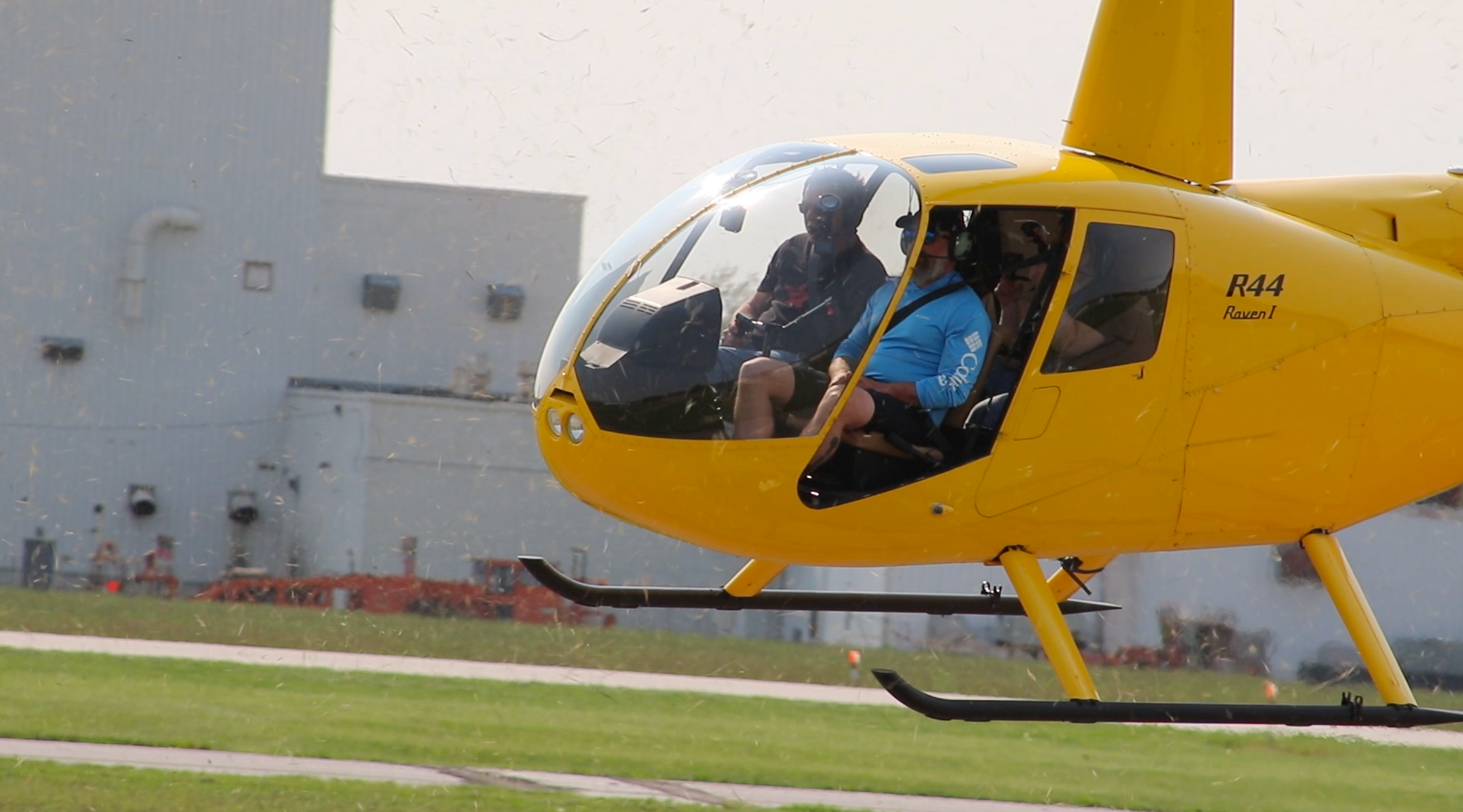
Mastering Aviation Skills With Online Helicopter Ground School: The Insider’s Guide
Unlocking the Helicopter Ground School Experience
What Makes Online Helicopter Training Stand Out?
The realm of aviation has seen a significant transformation over the past few decades, with technological advancements paving the way for innovative training methods. Online helicopter training programs have emerged as a front-runner in this evolution, providing aspiring pilots with a modern way to acquire essential knowledge. With the advent of sophisticated e-learning platforms, students now have the flexibility to learn from virtually anywhere, breaking geographical barriers that previously limited access to quality instruction. These online platforms incorporate multimedia elements such as interactive videos, comprehensive simulations, and engaging quizzes that make learning not only effective but also enjoyable. This multifaceted approach caters to various learning styles, ensuring that auditory, visual, and kinesthetic learners can absorb the material effectively. Moreover, students can track their progress, revisit complex topics, and engage with their instructors or peers through forum discussions, a distinctive feature that enriches the learning process.
The Advantages of Virtual Learning for Aspiring Pilots
Virtual learning offers several advantages that traditional classroom settings may struggle to match. Firstly, it affords flexibility in scheduling; aspiring pilots can tailor their study hours to fit their lifestyle, balancing professional commitments or personal responsibilities without sacrificing the quality of their education. Secondly, an online helicopter ground school often features comprehensive resources that extend beyond simple textbooks. Students can access a wealth of materials, from up-to-date regulatory information to modern weather analysis tools, enhancing the depth of their understanding. The opportunity for self-paced learning allows students to invest more time in challenging topics while moving swiftly through areas of confidence. Additionally, the convenience of online education eliminates travel time and costs associated with attending physical classrooms, making it a financially savvy choice.
Choosing the Right Online Program for Your Aviation Aspirations
The proliferation of online helicopter ground schools necessitates a careful selection process to ensure that you gain the most beneficial experience. Key factors to consider include accreditation, curriculum comprehensiveness, and instructor qualifications. Accredited programs are recognized by aviation authorities and ensure that the training meets industry standards. A well-structured curriculum should cover essential subjects like aerodynamics, helicopter systems, navigation, weather, and aviation regulations, ensuring that students receive a holistic education. Furthermore, researching the qualifications and experiences of instructors can enhance the learning experience. Engaging with instructors who possess real-world flying experience in addition to theoretical knowledge can provide invaluable insights and mentorship opportunities. Finally, reading student reviews and testimonials can offer a glimpse of the program’s effectiveness and the community atmosphere, essential factors for online students seeking engagement.
Essential Knowledge: The Core Concepts of Helicopter Flight
Understanding Helicopter Aerodynamics: Lift, Thrust, and Drag
To master helicopter flight, one must first grasp the fundamental concepts of aerodynamics. Lift is generated through the rotor blades’ shape and angle, creating a pressure difference above and below the blades. Understanding this principle is crucial for aspiring pilots, as it influences how they manipulate controls to achieve desired flight dynamics. Thrust, produced by the rotor system’s rapid rotation, directly impacts forward movement; thus, pilots must learn to balance thrust and lift for stable flight. Drag, which opposes thrust, is another vital concept; it includes induced drag, associated with lift generation, and parasitic drag, stemming from the helicopter’s shape and surface friction. Insight into these forces enables pilots to adjust their flight maneuvers in real-time, enhancing their ability to navigate diverse environmental conditions effectively.
Instrumentation and Navigation: Mastering the Cockpit Essentials
The cockpit of a helicopter is a sophisticated command center, housing an array of instruments that provide critical information for safe flying. Aspiring pilots must familiarize themselves with essential instruments such as the altimeter, which measures altitude; the airspeed indicator, showing the speed relative to the surrounding air; and the attitude indicator, which displays the helicopter’s orientation relative to the horizon. Understanding how to read these instruments and respond to various flight scenarios is paramount for ensuring safety and operational effectiveness. Additionally, navigation in helicopter aviation often involves visual flight rules (VFR) and instrument flight rules (IFR), requiring proficiency in using both maps and electronic systems like GPS. Developing navigation skills can enhance situational awareness and contribute to effective flight planning, crucial for ensuring reliable navigation during varied flight conditions.
The Critical Role of Weather and Environment in Helicopter Operations
Weather is a significant factor influencing helicopter operations, often affecting safety, flight planning, and pilot decision-making. Unlike fixed-wing aircraft, helicopters have unique capabilities, such as flying in diverse weather conditions, which requires an in-depth understanding of meteorological phenomena. Pilots must study different types of weather systems, including fronts, storms, and turbulence, recognizing how they impact flight performance. For instance, wind shear can cause abrupt changes in airspeed and direction, while low visibility scenarios mandate adherence to strict operational protocols to maintain safety. Moreover, the environmental aspects such as terrain, obstacles, and urban development necessitate pilots to be vigilant about their surroundings, as it can influence flight paths and emergency procedures. Developing a comprehensive understanding of weather and environmental factors equips pilots to make informed decisions, enhancing the overall operational safety of helicopter flights.
Preparing for Success: Skills and Mindset for Aspiring Pilots
Cultivating Cognitive Skills: Situational Awareness and Decision Making
The importance of cognitive skills in aviation cannot be overstated—especially in helicopter operations where quick, accurate decision-making is critically required. Situational awareness entails perceiving the environment and understanding how it could evolve, which is essential for navigation and safety. For helicopter pilots, maintaining situational awareness involves continuous monitoring of cockpit instruments, assessing environmental cues, and anticipating potential obstacles or hazards. Furthermore, decision-making skills must be finely tuned to enable pilots to respond to the dynamic challenges of flight, such as mechanical issues or unexpected weather changes. Training programs often include simulation scenarios that encourage students to practice these skills, creating a safe environment for learning how to assess situations, weigh options, and make informed choices rapidly.
The Importance of Communication Skills in Aviation Safety
In aviation, communication transcends mere verbal exchanges; it encompasses an intricate web of information sharing that ensures safety and efficiency. Clear, concise communication among crew members and air traffic controllers is vital, as misunderstandings can lead to catastrophic outcomes. Online helicopter ground schools often emphasize communication protocols, including standard operating procedures and the use of aviation phraseology. Aspiring pilots must practice assertive communication and active listening, fostering teamwork and collaboration in a high-stakes environment. Engaging in simulated flight scenarios enhances this skill, providing students with an opportunity to experience real-time communication challenges in a controlled setting, building confidence that translates to actual flights.
Developing a Persistent Mindset: Overcoming Challenges in Learning to Fly
The journey to becoming a proficient helicopter pilot is riddled with challenges that require resilience and determination. Navigating intricate flight maneuvers, mastering complex aerodynamics, and adapting to rapidly changing conditions can test even the most dedicated students. Developing a persistent mindset is crucial for overcoming these hurdles; it allows aspiring pilots to embrace setbacks as opportunities for learning rather than discouragements. Online programs often encourage a growth mindset, urging students to seek feedback actively, reflect on their progress, and remain inspired by their passion for aviation. As emotional intelligence plays a critical role in managing stress and anxiety, individuals cultivating a positive attitude and persistence can significantly enhance their learning experience and ultimately their flying proficiency.
From Ground School to Flight: Taking Your Skills to the Skies
The Transition: How Ground School Prepares You for Flight Training
The transition from ground school to practical flight training serves as a critical stepping stone in a pilot’s journey. Comprehensive ground schools impart foundational knowledge, equipping students with the theoretical expertise needed to navigate the complexities of helicopter flight. As students progress through their online courses, they encounter various subjects that culminate in real-world applications. Understanding aerodynamics, navigation, and meteorology prepares them for the intricate decision-making required during flight operations. Distance learning, with its flexible nature, allows for the review of crucial concepts before students step into the cockpit, enhancing their confidence and readiness to apply their knowledge practically. Consequently, those who diligently engage in online ground programs often find themselves better prepared to assimilate instructional flight time, ensuring a seamless transition into their practical training.
Real-World Applications: Bridging Theory and Practice in Helicopter Aviation
Bridging the gap between theory and real-world application is a defining feature of competent aviation training. As aspiring pilots gain theoretical knowledge via online ground school, they must consistently apply this learning during actual flight training to become proficient. Theoretical understanding serves as a foundation for executing maneuvers, understanding cockpit systems, and adhering to safety regulations in practice. Real-world applications can differ significantly from simulated scenarios; thus, adapting theoretical insights to practical flying situations is crucial. Continuous practice, under the guidance of experienced instructors, allows students to experiment with their skills, learn from errors, and gradually build their confidence in a supportive environment. Developing this practical bridging capability enhances adaptability, preparing pilots to handle unforeseen circumstances that may arise during their career.
Continued Education: Advancing Your Skills Beyond the Basics
The journey of a helicopter pilot does not end with the attainment of a license; rather, it marks the beginning of a lifelong learning process. Continued education is essential in the aviation world, where technological advancements and regulatory changes occur rapidly. Online helicopter ground schools typically offer advanced courses that cover specialized areas such as instrument rating, night flying, or even transition training from helicopters to fixed-wing aircraft. Engaging in continued education not only enhances a pilot’s skill set but also ensures that they remain competitive and knowledgeable within the industry. As safety and efficiency standards evolve, pilots who commit to ongoing development will be better equipped to adapt and excel in their careers, reinforcing the idea that education is an ongoing, integral component of aviation.
FAQ
Question: What types of multimedia resources are commonly used in online helicopter ground schools? – Online helicopter ground schools typically utilize interactive videos, comprehensive simulations, and engaging quizzes to enhance the learning experience and accommodate various learning styles.
Question: How can I ensure that an online helicopter ground school program is accredited? – To ensure accreditation, check that the program is recognized by relevant aviation authorities or organizations, typically listed on their official website or documentation.
Question: What are the typical entry requirements for enrolling in an online helicopter ground school? – Entry requirements often include a minimum age (usually 17 or older), a high school diploma or equivalent, and a passion for aviation; specific requirements may vary by school.
Question: How long does it usually take to complete an online helicopter ground school program? – The duration can vary widely depending on the program structure and the student’s pace, but many online courses are designed to be completed in a few months to a year.
Question: Are there practical flying components included in online helicopter ground school? – While online ground schools focus on theoretical knowledge, they typically require students to complete practical flight training separately at a designated flight school or training facility.
Question: What support systems are available for students enrolled in online helicopter ground schools? – Students can often access various support systems, including forums for peer discussion, direct interaction with instructors, tutoring services, and online resources for additional help.
Question: How does online helicopter training compare to traditional classroom training? – Online helicopter training offers greater flexibility, accessibility, and often a more diverse range of resources, while traditional training provides face-to-face interaction and immediate feedback.
Question: What career opportunities are available for pilots after completing their helicopter ground school training? – After completing their training, pilots may pursue careers in areas such as air medical services, aerial firefighting, law enforcement, transportation, or tour operations.
Useful Resources
- Federal Aviation Administration (FAA)
- National Business Aviation Association (NBAA)
- Aircraft Owners and Pilots Association (AOPA)
- Experimental Aircraft Association (EAA)
- Aerial Application Association (AAA)
- Helicopter Association International (HAI)
- SimFlight
- Skybrary Aviation Safety Knowledge


